
Key facts
Stewart Rhodes, founder of the Oath Keepers, said he is “absolutely done with Donald Trump.”1
Rhodes, who was convicted of seditious conspiracy for orchestrating an ill-fated attempt to keep Trump in power six years ago, said he is done with the president.1
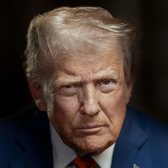
While serving time for his role in the Jan. 6 attack on the U.S. Capitol, Rhodes got a tattoo of Trump’s defiant face after he survived an assassin’s bullet in Butler, Pennsylvania.1
A break from Trump
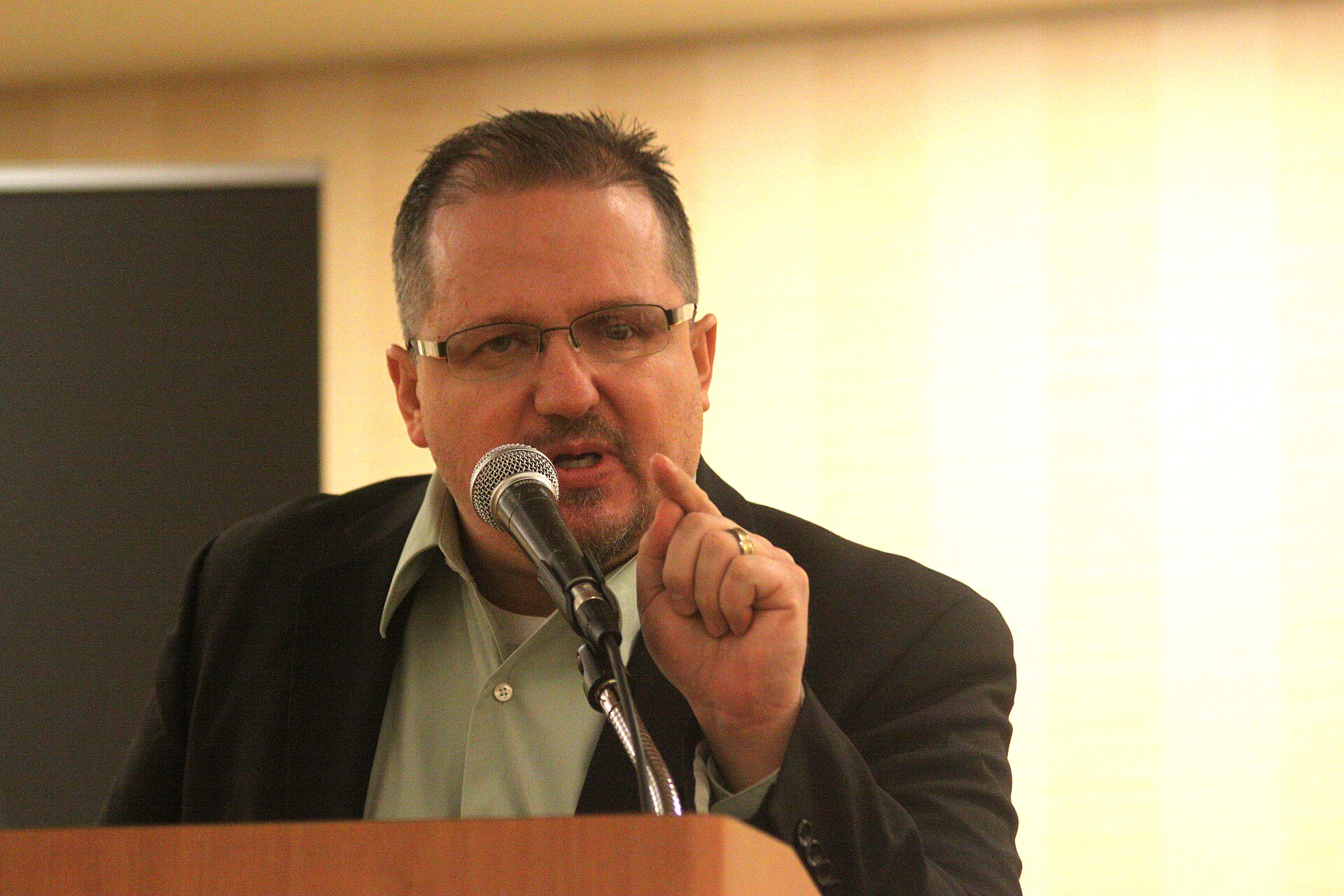
Rhodes, sitting at a rickety yellow table outside a gastropub in Irving, Texas, said, “I am absolutely done with Trump.”1
The repudiation from a former acolyte, one convicted of seditious conspiracy for orchestrating an ill-fated attempt to keep Trump in power six years ago, is another example of how allegiance to the president has faded even among extreme supporters.1
This year in Texas, where Democrats had historic victories, Rhodes said there’s another reason.1
Rhodes said, his face shaded by a black cowboy hat, “The lion’s share is because Trump pissed off his own base.”1
Nearby, people mingled with drinks for his Christian Warriors After-Party, organized during a three-day conference called “Christ is King: America After Trump.”1
The beginning of Rhodes' break with Trump came when the president gave pardons to hundreds of people who were locked up for their actions on Jan. 6, 2021, but only commuted Rhodes' sentence.1
“We elected him to end the corruption in Washington, D.C. ‘Drain the swamp.’ Unfortunately his administration has been one of the most corrupt administrations in U.S. history,” Rhodes said. “The pardons are pay-for-play and everything is pay-for-play.”
Rhodes said Trump dismissed people who urged his administration to release files about the Jeffrey Epstein case, calling them “PAST supporters.”1
Rhodes said the White House did not respond to a request for comment.1
From Yale to the Oath Keepers
Rhodes, who graduated from Yale Law School and worked for former U.S. Rep. Ron Paul of Texas, founded the Oath Keepers in 2009 with the goal of encouraging members of the military and law enforcement to resist what they view as unconstitutional orders, such as disarming citizens or carrying out warrantless searches.1
Rhodes later allied himself with Trump’s political movement, and the Oath Keepers supported his attempt to remain in office after losing the 2020 election.1
Fueled with conspiracies about voter fraud, prosecutors said group members gathered weapons, organized trainings and assembled in Washington, where some helped storm the Capitol on Jan. 6.1
Rhodes, who did not enter the building that day, said he was a “political prisoner” who faced “illegality” in his trial.1
Rhodes was sentenced to 18 years, one of the longest sentences of any Jan. 6 case.1